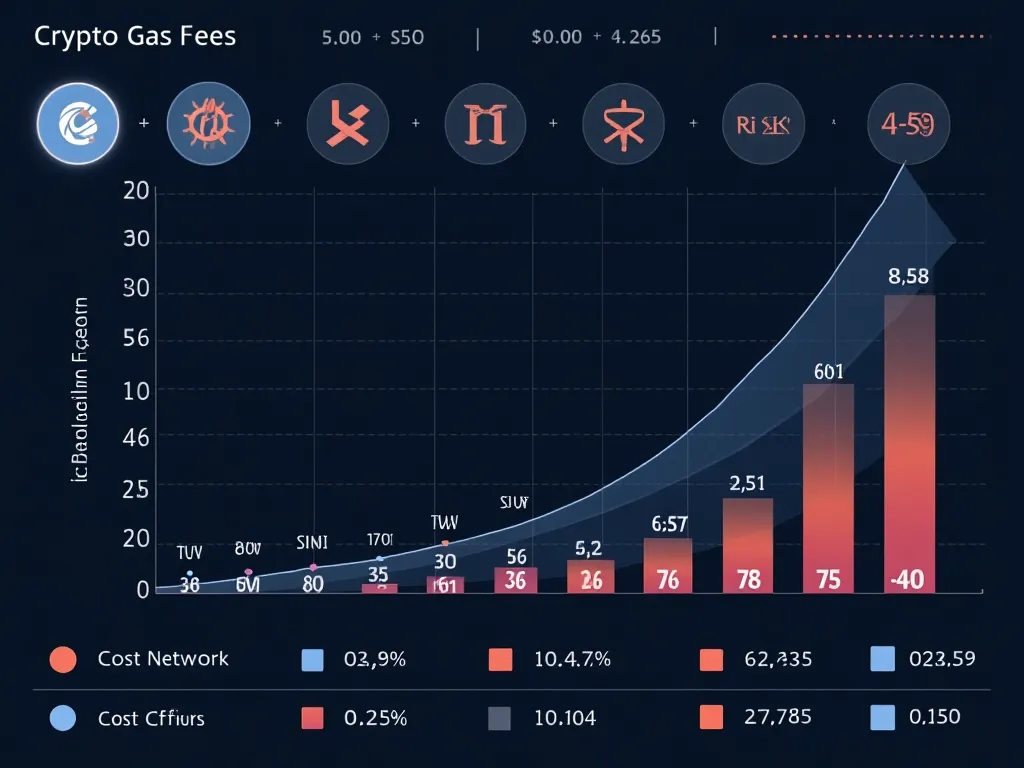
Gas Fee Estimator Chart
Web3 and Decentralized Applications (dApps)

Gas Fee Estimator Chart

A reference chart that explains what gas fees are, which factors push them up or down and how to estimate a reasonable fee before confirming a transaction. It suits learners who use Ethereum-style networks and want to avoid overpaying or seeing transactions stall, while understanding that actual fees always vary.

Levels
4
Starting from
220 credits
Category
Web3 and Decentralized Applications (dApps)

About this material

Gas fees change from minute to minute, so this chart does not list fixed prices. Instead, it shows how a fee is built up from the amount of computation a transaction needs and the price per unit that the network is currently asking. It compares simple transfers, token swaps and more complex contract calls, explaining why each one uses a different amount of gas. Worked examples walk through reading the fee suggestion in a wallet, deciding between a slower or faster setting and spotting a transaction that is likely to fail. A short section covers why fees rise when a network is busy and how layer 2 networks can reduce costs. Use it beside your wallet to make calmer, better-informed decisions each time you pay a network fee.
Each level is unlocked separately

Choose a level

Compare the levels below and add the one that suits you to your cart

01
Level 1

Beginner

220 credits

What this level includes
  • Covered in this level

    You will cover what gas is, why networks charge fees, the difference between gas units and gas price, how a wallet shows the estimated fee, why simple transfers usually cost less than complex actions and why fees change from one moment to the next.

  • Suited to

    This level is for learners who have seen gas fees in their wallet but do not yet understand what they pay for. It explains the idea in simple steps and shows how to read the chart before confirming a basic transaction.

  • What you will be able to apply

    After this level, you will be able to explain what a gas fee is, read the estimate shown in your wallet with understanding and use the chart to judge whether a fee looks reasonable for a simple transaction.

02
Level 2

Intermediate

420 credits

What this level includes
  • Covered in this level

    You will cover base fees and priority fees, choosing slow, standard or fast options, timing transactions when networks are quieter, reading a gas tracker, handling a transaction stuck as pending and common problems such as setting a fee too low or a gas limit too tight.

  • Suited to

    This level suits learners who make transactions regularly and want to avoid overpaying or getting stuck. It focuses on using the chart in everyday situations and on the adjustments most wallets let you make before you confirm.

  • What you will be able to apply

    Once this level is done, you will be able to choose sensible fee settings for everyday transactions, recognise when waiting may lower the cost and deal with a stuck or failed transaction without making it worse.

03
Level 3

Advanced

720 credits

What this level includes
  • Covered in this level

    You will cover why complex contract calls use more gas, layer 2 fees and how they differ from the main network, the total cost of a bridge or multi-step action, replacing or cancelling pending transactions, and weighing fees against the size and purpose of a transaction.

  • Suited to

    This level is for learners who use more complex actions, such as swaps, bridges or interactions across several networks, where fees are harder to predict. It looks at how to estimate and compare costs when many factors change at once.

  • What you will be able to apply

    With this level complete, you will be able to estimate the full cost of complex transactions, compare networks sensibly and decide whether an action is worth its fee before you commit to it.

04
Level 4

Expert

1,020 credits

What this level includes
  • Covered in this level

    You will cover planning activity around fee patterns, batching actions where possible, the security trade-offs of cheaper networks, keeping records of fees paid, adapting to network upgrades that change how fees work and explaining fee decisions clearly to others.

  • Suited to

    This level is for experienced users who want a considered, long-term approach to transaction costs across everything they do on-chain. It brings the chart together and focuses on trade-offs between speed, cost, security and convenience.

  • What you will be able to apply

    Having completed this level, you will be able to manage transaction costs thoughtfully over time, balance cheaper options against their risks and adjust your approach as networks and fee models continue to change.

Levels are unlocked with credits from your balance. You can add more credits at any time.